
Look in your medicine cabinet. What do you see? Perhaps a half-used strip of antibiotics from a forgotten infection, a bulk pack of painkillers bought for a single headache, or an old blood pressure monitor replaced by a newer model. These items are more than just clutter; they represent a silent, nationwide reservoir of potential health. In Nepal, where the distance between a life saved and a life lost can be measured in rupees for medicine, this everyday surplus holds revolutionary power.
This is the fundamental insight that sparked the creation of Sanjivani. Launched by the visionary team at Jimmewari, Sanjivani is far more than a donation drive. It is a meticulously designed, technology-powered ecosystem with one audacious goal: to turn the medical surplus in our homes into a reliable, community-powered lifeline for those who need it most. This platform is redefining what it means to care for our neighbors, proving that the future of equitable healthcare in Nepal might just start with a simple act of sharing unused medicine.
Table of Contents
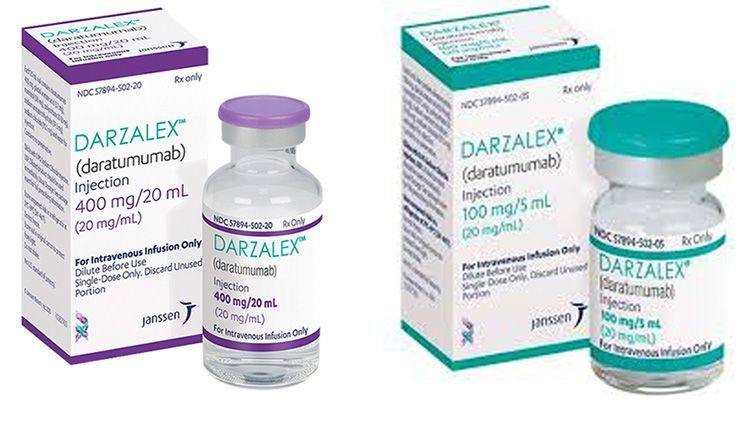
From Isolated Acts to a Collective Movement: The Sanjivani Model
Traditionally, giving away unused medicine has been an informal, ad-hoc affair—a conversation with a neighbor, a gift to a local clinic. While well-intentioned, this approach is limited, unverified, and lacks scale. Sanjivani, created by Jimmewari, changes the game by introducing structure, trust, and efficiency into the process.
Think of it as a dedicated, secure marketplace for health, where the currency is compassion and the transaction is a life potentially improved. Here’s how it builds a sustainable model:
- The Trust Architecture: The platform allows donors to list items with clear details—name, expiry date, quantity, and images. This transparency is crucial. It moves the act from one of vague charity to one of responsible resource-sharing. Recipients can browse or request what they need, creating a direct, dignified connection.
- The Ripple Network: One person sharing unused medicine for diabetes can help a senior citizen in Pokhara. A family donating post-surgical supplies from Kathmandu can support a recovery in a remote village in Karnali. Sanjivani makes these connections visible and possible, weaving a nationwide web of health solidarity.
- The Efficiency Engine: By digitizing the match between need and surplus, Sanjivani eliminates the guesswork and logistical nightmares. It ensures that resources flow to where they are most needed, reducing waste and maximizing impact with every transaction.
The Deeper Impact: Why This Matters Beyond the Pill
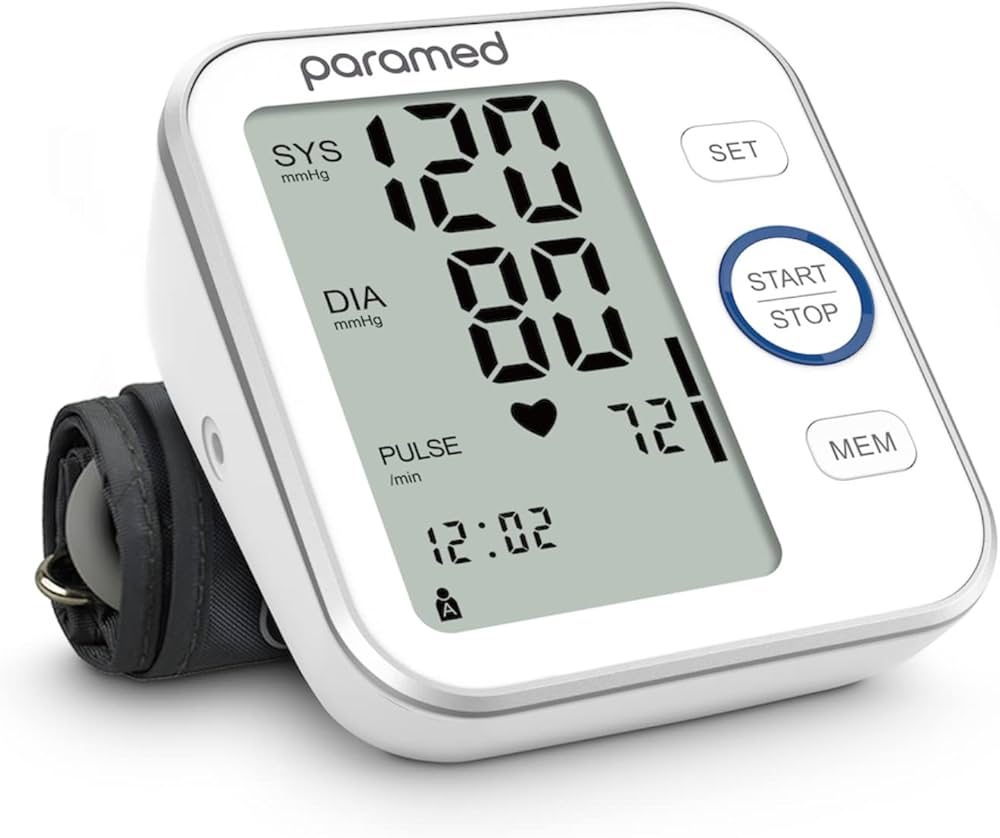
The immediate benefit of Sanjivani is obvious: someone receives essential medical equipment or drugs they couldn’t otherwise afford. But the ripple effects of this platform, launched by Jimmewari, are what truly make it a transformative force:
- Fighting Health Poverty: Medical expenses are a primary driver of families into poverty. By providing critical items for free, Sanjivani acts as a financial shield, allowing families to stay afloat during health crises.
- Environmental Stewardship: Flushing or trashing pharmaceuticals contaminates water and soil. By ensuring unused medicine is consumed as intended, Sanjivani promotes a powerful form of environmental conservation.
- Community as the First Responder: In times of individual or widespread crisis, Sanjivani can mobilize a decentralized response. Communities can use the platform to rapidly pool and distribute resources, making them more resilient.
- Shifting the Mindset: Sanjivani promotes a powerful cultural idea: your personal surplus is a community asset. It fosters a mindset of “circular healthcare,” where the lifecycle of a medical product is extended through collective care.
The Human Story: “A Small Help Can Feel Like a Blessing”
The philosophy of Sanjivani is beautifully humble. As its creators at Jimmewari put it: “You may never become a god in this world, but for someone who is struggling, even your small help can feel like a blessing.”
This isn’t about grandeur. It’s about the profound impact of specific, tangible acts. That inhaler your child outgrew? To a parent watching their child struggle to breathe, it’s not a “small help”—it’s a miracle. The unused crutches in your storeroom? To someone recovering from an accident without means, they are the key to mobility and dignity. Sanjivani validates the immense power contained in our “small” surplus, giving it a direct pathway to become someone else’s blessing.

Your Step-by-Step Guide to Joining the Sanjivani Ecosystem
Becoming part of this movement is designed to be seamless. Whether you want to give or you are in need of support, Sanjivani is built for you.
To Give the Gift of Health:
- Sort Responsibly: Check your supplies. Gather sealed, unexpired medicines and clean, functional medical equipment.
- Navigate to the Platform: The process begins by you choosing to log in and get started at Sanjivani.
- Create a Clear Listing: Be detailed. Good photos and honest descriptions build the trust that makes the entire ecosystem work.
- Complete the Connection: Coordinate the handoff. This moment—where surplus meets need—is where the abstract becomes beautifully human.
To Find Support:
- Browse with Dignity: There is no shame in needing help. Health challenges are universal. Explore the listings or post a respectful request.
- Verify and Use Safely: Always confirm with a healthcare professional that any medicine is appropriate for your specific condition.
To Amplify the Mission (Crucial for Virality):
- Be a Digital Advocate: Share your Sanjivani story. Post about the item you shared or the hope you received. Use stories to make the mission real. Suggested hashtags: #HealthIsShared #SanjivaniRevolution #NepalCares.
- Institutional Partnerships: If you belong to a club, college, or corporation, champion Sanjivani as a collective CSR or community service project. Organize a donation drive.
- Talk About It: Normalize the conversation about sharing unused medicine. Mention it at your next family gathering or community meeting.
Conclusion: The Prescription for a Healthier Nepal is in Our Hands
Jimmewari‘s launch of Sanjivani is a milestone in Nepal’s social innovation landscape. It moves healthcare aid from a model of sporadic, top-down charity to one of continuous, peer-to-peer solidarity. It proves that the tools for building a healthier nation are not only in hospitals and ministries but also in the collective will and everyday resources of its people.

This platform is an invitation to participate in a new kind of economy—an economy of care. It asks us to see our homes not just as endpoints for consumption, but as nodes in a vast, life-supporting network.
The next step is yours. That box in your cabinet isn’t just taking up space. It’s holding potential. A click, a listing, a shared item—on Sanjivani, these are the fundamental acts of building a future where no one is left behind because a vital resource was out of reach.
Log in and get started at Sanjivani. Transform your surplus into someone’s survival. The prescription for change is already in your home.
Read More Articles:
- 🔗 Top NGOs in the World
- 🔗 Reasons People Don’t Donate
- 🔗 How to Choose a Campaign
- 🔗 Why Donate Online?
- 🔗 Top 10 Foundations in the World
- 🔗 Top 10 Most Charitable Countries
- 🔗 How to Start Fundraising
- 🔗 How to Become Successful in Fundraising
- 🔗 How to Fundraise Without Social Media
- 🔗 The Global Medical Debt Crisis
- 🔗 Importance of Donors in Healthcare
- 🔗 How to Get Help Paying for Emergency Surgery
- 🔗 How to Make Your Fundraiser Go Viral
- 🔗 How to Save a Life During a Medical Emergency
- 🔗 How to Ask for Donations Online
- 🔗 Financial Help for Hospital Bills
- 🔗 Wireless Security Cameras Risks
- 🔗 Facebook Hacking: What You Need to Know
- 🔗 How to Tackle with Suicidal Thoughts